
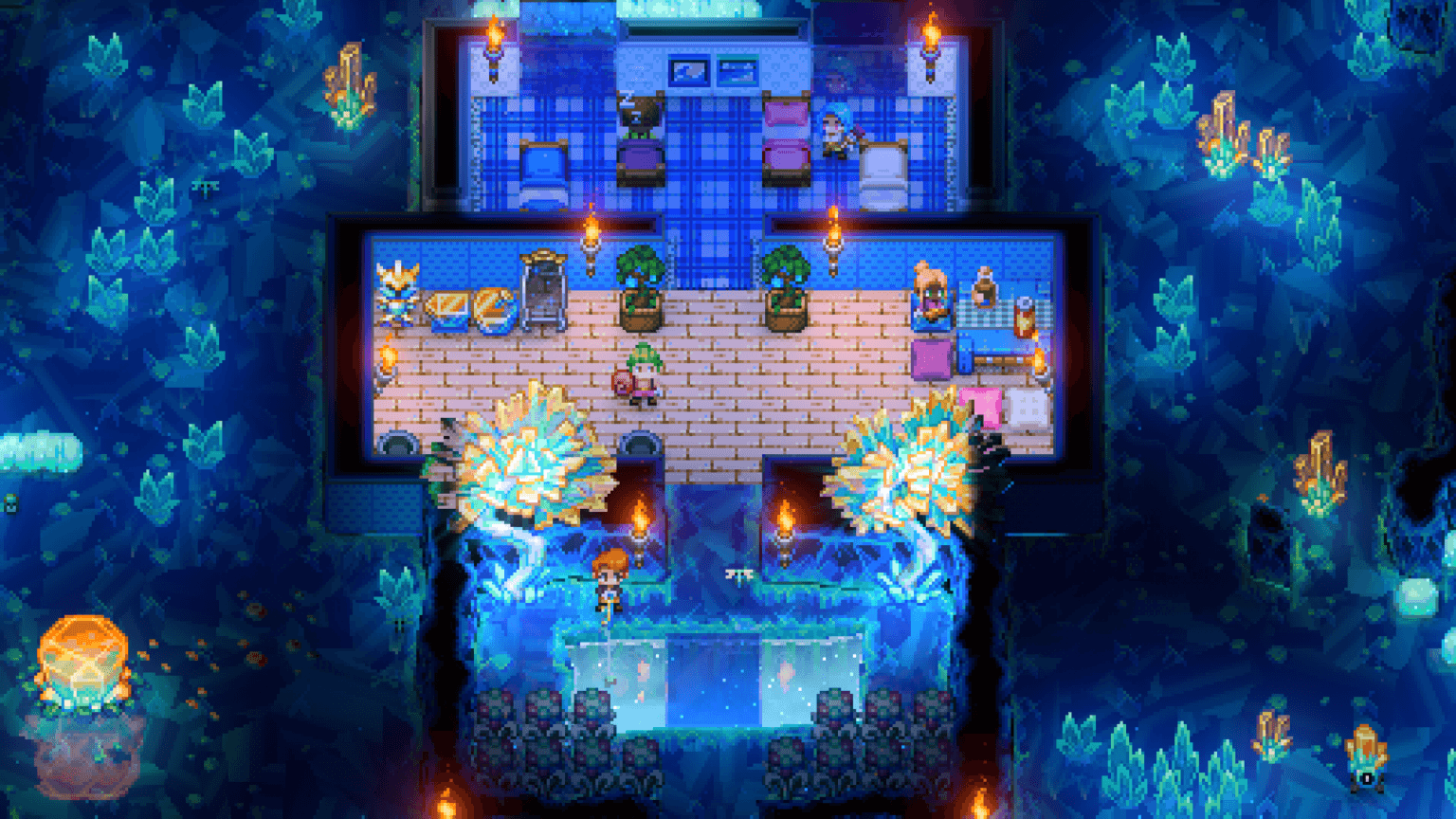
Running a dedicated Core Keeper server is the easiest way to get stable multiplayer, full admin control, and a world that stays online for your community. Instead of relying on a host player's PC, a managed server gives you consistent performance, cleaner uptime, and easier scaling as your player count grows.
This guide compares the best Core Keeper server hosting options for performance, panel quality, mod support, and long-term reliability. We use the same evaluation framework across every provider so you can make a faster decision without guessing.
Best Core Keeper Server Hosting Providers
These providers were selected for Core Keeper based on practical admin needs: launch speed, control panel workflow, crash recovery, backup quality, and upgrade flexibility. Game Host Bros, G-Portal, and XRealm are strong starting points, but the right choice depends on your region, mod stack, and community size.
Game Host Bros
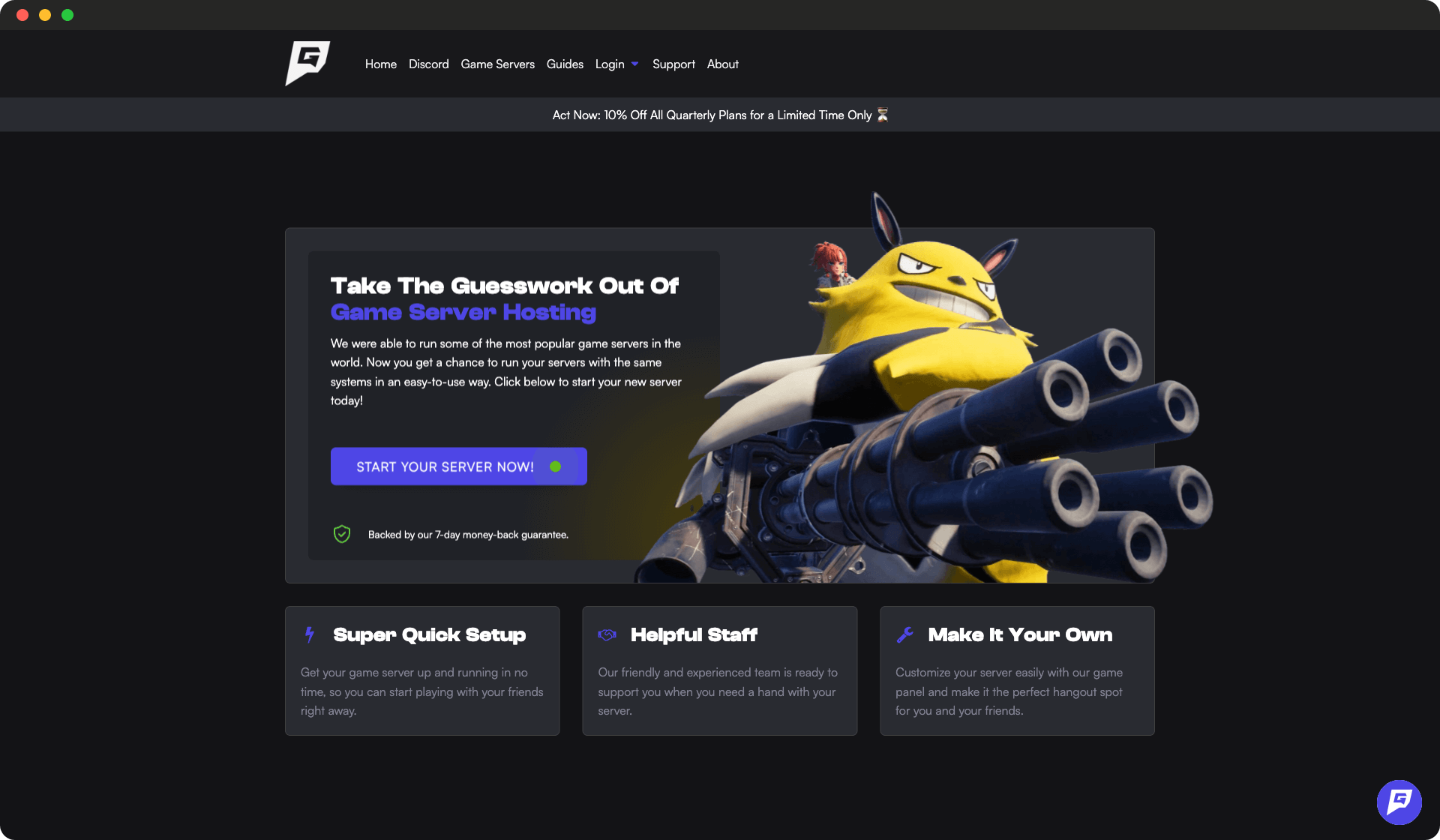
Game Host Bros provides budget-friendly game server hosting for popular games.
- Powerful Hardware
- Unlimited Players
- Easy setup
- Good for beginners
- Limited locations
G-Portal
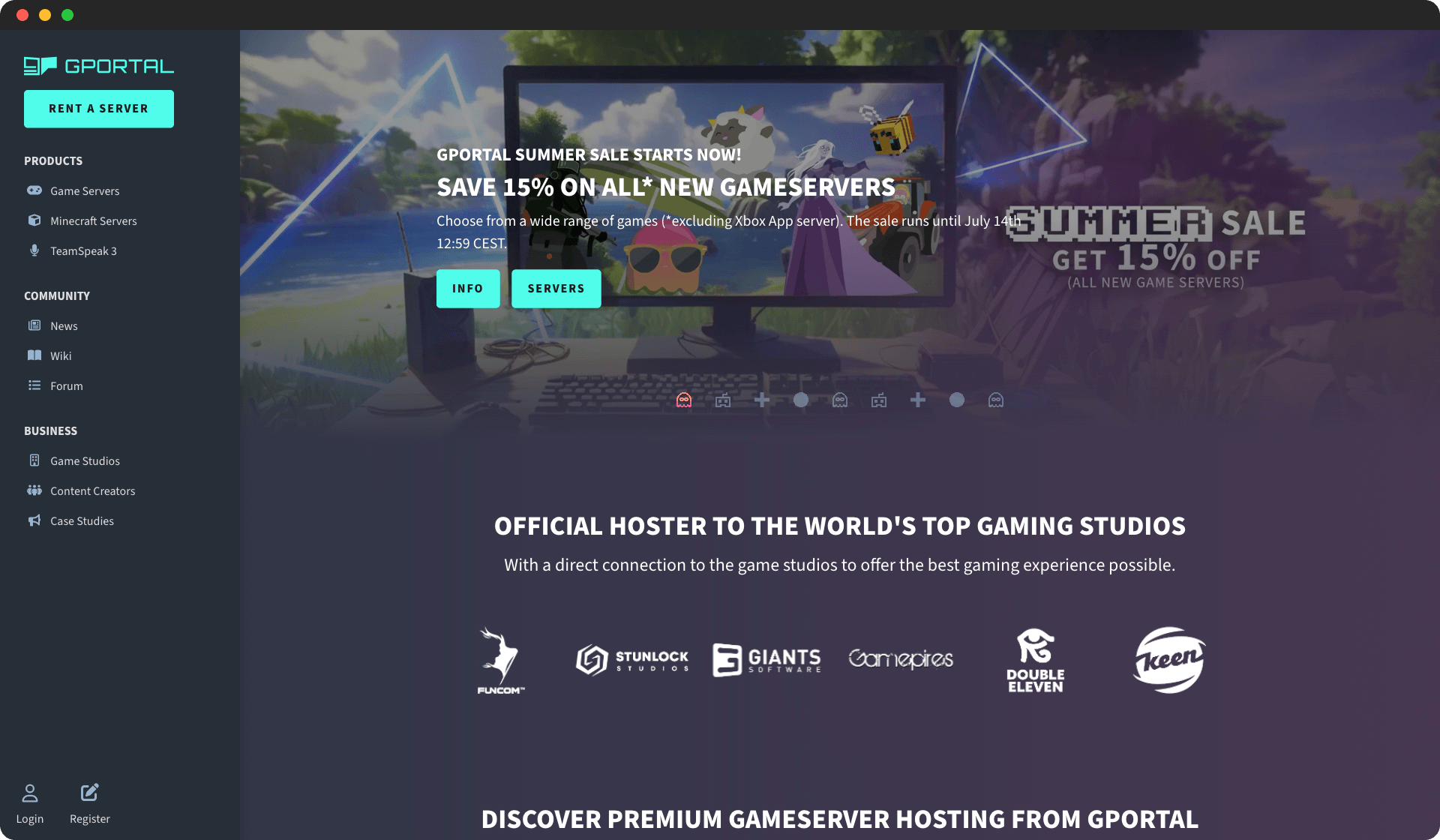
G-Portal is a big name in the hosting world with custom game panel, mod manager, and server backup capabilities.
- Mod support with built-in manager
- Various server locations
- Good customer support
- Custom control panel
- Good hardware
- Limited configuration options
- Support can be slow at times
- Some users report overcrowded servers & instability
XRealm
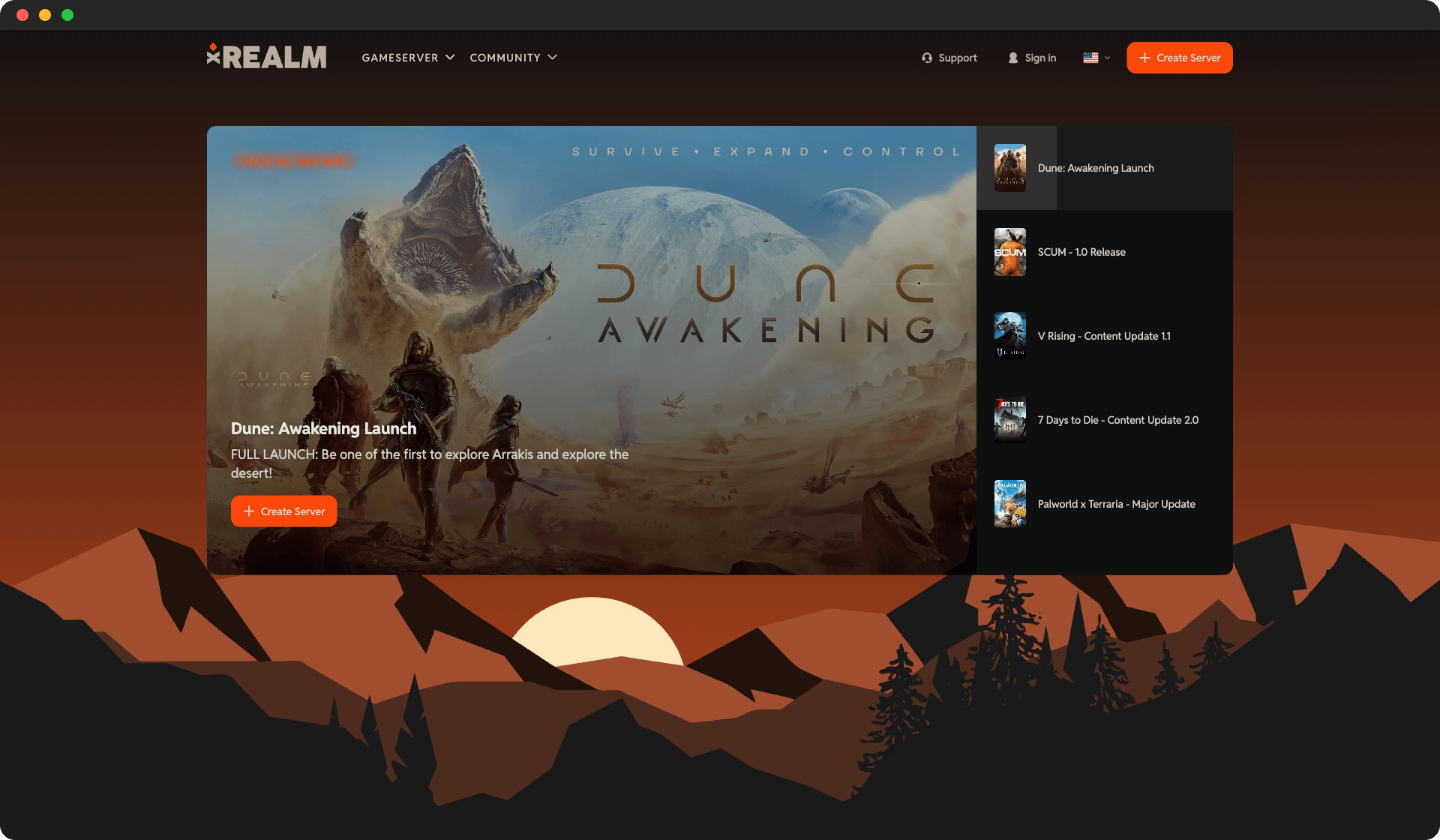
XRealm offers competitive pricing and reliable game server hosting with good performance across multiple titles.
- Competitive pricing
- Good performance
- Easy setup
- Free DDoS protection
- Limited server locations
- Basic control panel
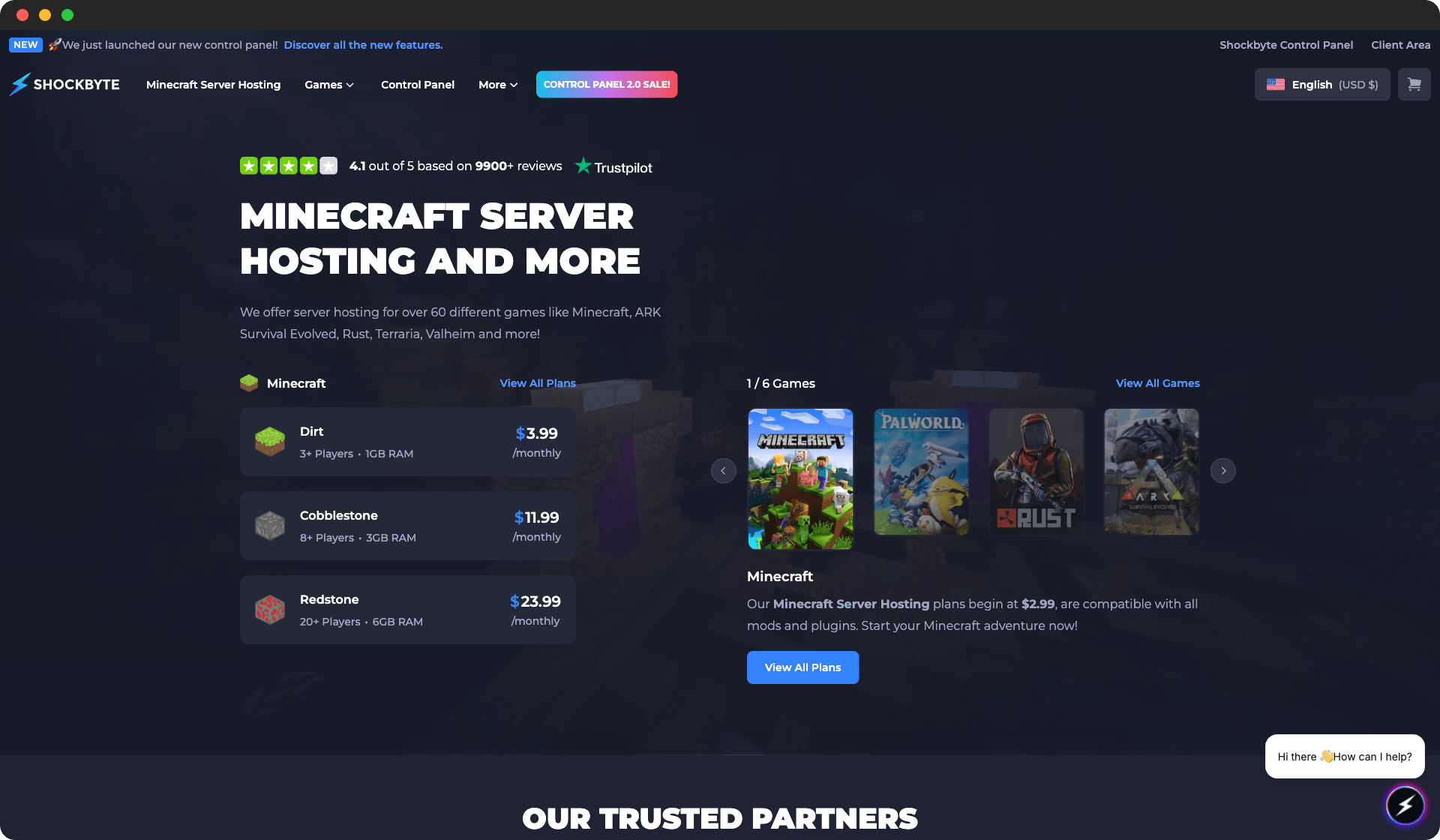
Shockbyte
Shockbyte offers affordable game server hosting with a focus on Minecraft and other popular games.
- Affordable pricing
- Good uptime
- Multiple game support
- Basic control panel
- Support can be slow during peak times
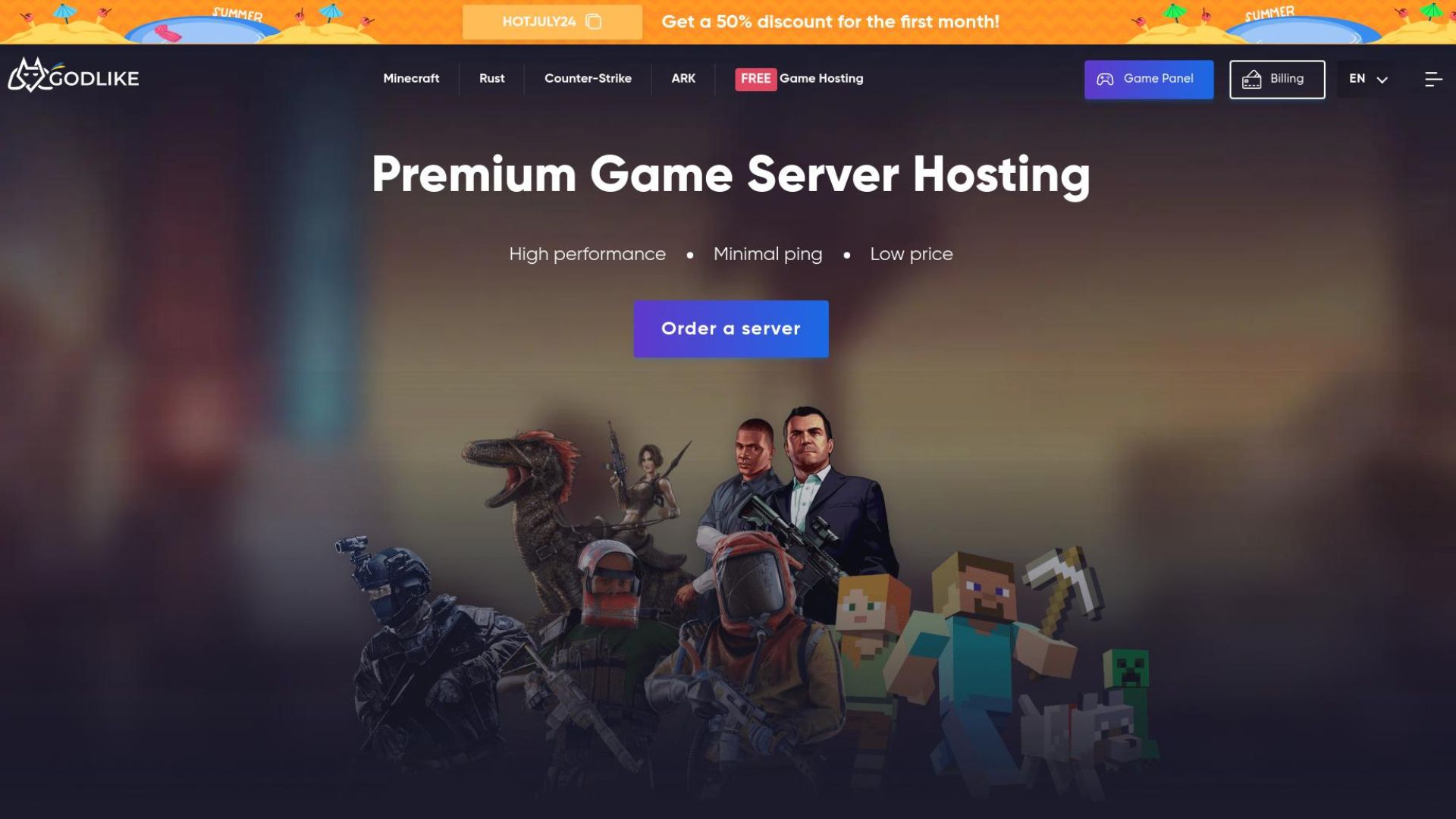
Godlike
Godlike offers premium game hosting with high-performance hardware and DDoS protection.
- High-performance hardware
- Excellent DDoS protection
- 24/7 support
- Premium pricing
- Overkill for small servers
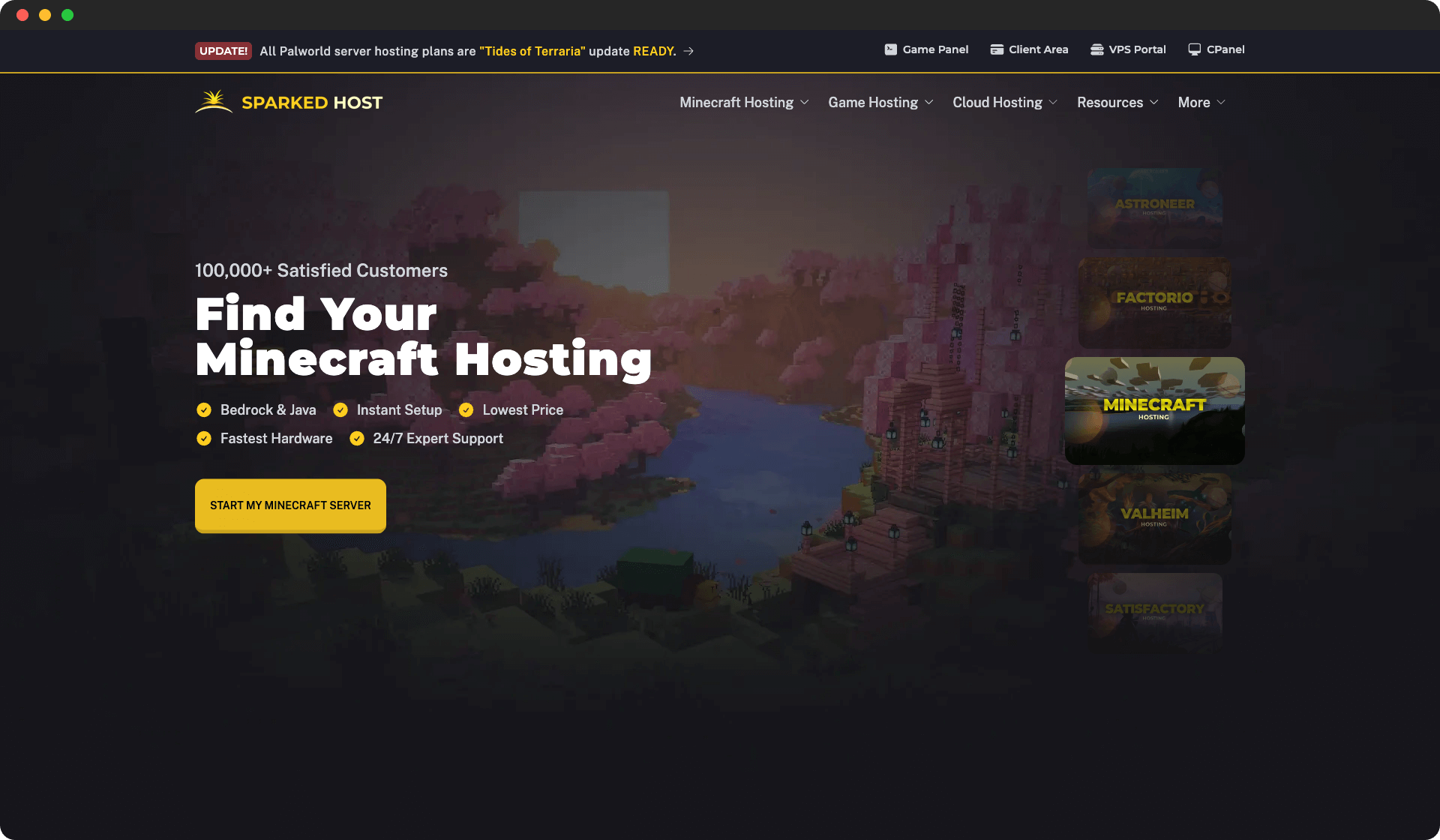
SparkedHost
SparkedHost provides budget-friendly game server hosting with servers in multiple regions including Asia.
- Lowest prices
- Asian server locations
- Free subdomain
- Instant setup
- Limited resources on base plan
- Slower support
- Basic features only
Core Keeper Server Requirements
Server requirements in Core Keeper usually scale with active players, world persistence, and plugins/mods. If you plan to grow your community, start with a plan that leaves headroom for RAM and CPU spikes instead of targeting the absolute minimum.
| Component | Minimum (Small Group) | Recommended (Active Community) | Large/Modded Community |
|---|---|---|---|
| CPU | 4 cores @ 3.2GHz | 6 cores @ 3.8GHz | 8+ cores @ 4.2GHz |
| RAM | 6GB DDR4 | 12GB DDR4 | 24GB DDR5 |
| Storage | 25GB SSD | 60GB NVMe SSD | 120GB NVMe SSD |
| Network | 100Mbps | 1Gbps | 1Gbps |
Why CPU matters: Core Keeper servers are sensitive to frame-time spikes under load, and server-side AI, automation loops, and physics updates increase CPU demand as active players scale up. Higher clock speed and modern architecture make a bigger impact than raw core count alone.
Why RAM and storage matter: persistent world saves and mod stacks can push memory usage quickly beyond entry-level plans. NVMe storage also reduces save, restart, and backup bottlenecks when your world gets heavier over time.
How to Choose a Core Keeper Server Host
1. Performance Under Real Load
Check whether the provider shares real hardware details and allows fast plan upgrades. Synthetic benchmarks are useful, but your actual experience comes from how the host behaves during peak player activity, save events, and automated restarts.
2. Mod, Plugin, and Save-File Workflow
Even if your first setup is vanilla, most communities eventually add mods or custom configs. Prioritize hosts with simple file management, one-click installers where available, and clear rollback options so you can recover quickly from bad updates.
3. Location, Latency, and Network Stability
Pick a region close to your core player base before comparing minor feature differences. A lower-latency location usually improves gameplay quality more than an extra dashboard feature, especially in fast or sync-sensitive multiplayer sessions.
4. Backups, Support, and Scaling
Look for automated backups, predictable restore flow, and responsive support with game-specific context. As your server grows, you want painless scaling without forced migrations, long downtime windows, or manual transfer risk.
How to Set Up a Core Keeper Dedicated Server
Most providers can get a new Core Keeper server online within minutes. This is the fastest setup path for most teams:
- Choose a provider, region, and plan with enough RAM for your expected player count.
- Deploy the server and set your base config: name, password, slots, and core rules.
- Add mods/plugins if needed, then restart once so dependencies load cleanly.
- Configure scheduled backups and optional restart windows before launch day.
- Run a short test with 2-5 players to validate ping, performance, and permissions.
- Share connection details with your community and monitor resource usage during the first week.
Conclusion
The best Core Keeper server hosting choice is the one that stays stable when your community is active, not just the one with the lowest starter price. Game Host Bros is often a strong default for ease of use, G-Portal is a solid alternative for value-conscious communities, and XRealm is worth considering if you want additional provider diversity.
For deeper comparisons, use our guides on game server hosting, best dedicated game servers, and Project Zomboid server hosting.